Roswell's Historic Home Tax Freeze Comes With a Countdown Clock
September 17, 2026
September 17, 2026
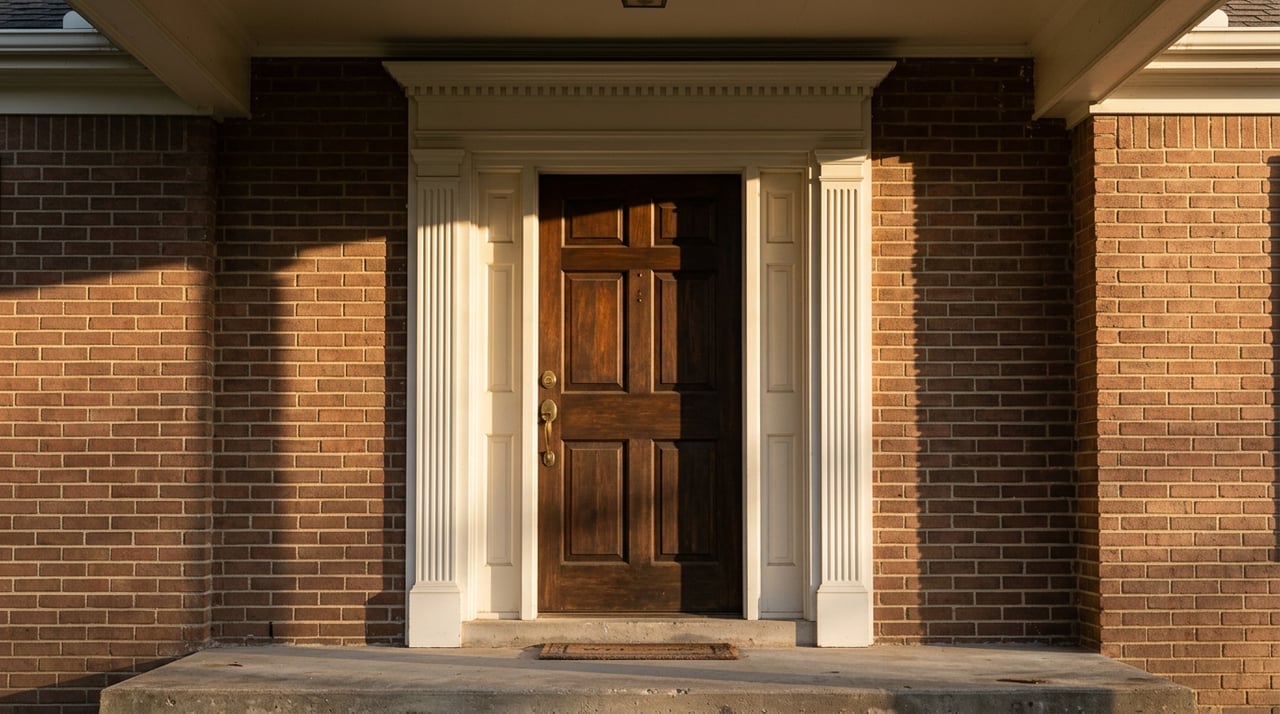
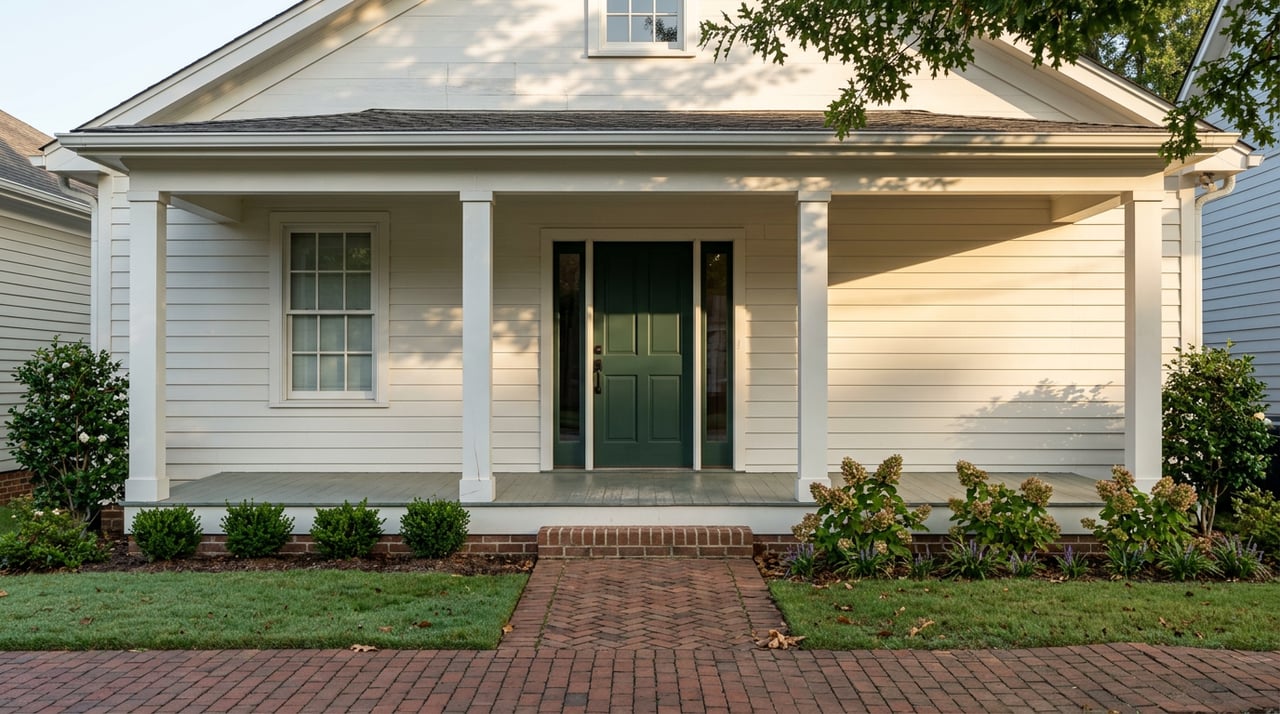
You're standing on the porch of a beautifully restored 1920s cottage two blocks off Canton Street. The agent mentions, almost in passing, that the property tax bill is a fraction of what you'd expect for a home this size in this location. It sounds like a quiet perk of owning something old and protected. It is not permanent, and the buyer who doesn't ask when the clock started is the one who inherits the bill when it ends.
That's the piece of Roswell's historic real estate market that rarely makes it into a listing description: the tax benefit attached to a renovated historic home has an expiration date, and it's written into state law down to the year.
Roswell's 640-acre Historic District sits at the center of a program most buyers have heard of only in passing: Georgia's Preferential Property Tax Assessment for rehabilitated historic property. The mechanics are straightforward once you see them laid out. An owner who substantially rehabilitates a historic property, increasing its fair market value by 50 to 100 percent depending on how the building is used, can apply through the state's Historic Preservation Division to have the county freeze the property's tax assessment at its pre-rehabilitation value. The Georgia Department of Community Affairs administers the program, and the county tax commissioner is the one who actually applies it to the bill.
For an owner who just spent real money bringing a hundred-year-old house up to code and up to their own standards, that freeze is a meaningful reward. The county keeps taxing the pre-renovation value while the market value of the finished house climbs. It's one of the few places in residential real estate where the incentive structure openly rewards patience and craftsmanship over speed.
What the freeze does not do is last forever.
The freeze holds for roughly eight to nine years. After that, it doesn't just expire. It steps up in stages, and the stages are specific enough that you can calculate them before you ever make an offer.
| Year | What happens to the assessment |
|---|---|
| Years 1 through 8 (approx.) | Frozen at pre-rehabilitation value |
| Year 9 | Increases by 50% of the gap between the frozen value and current assessed value |
| Year 10 | Increases to full current assessed value |
That middle step is the one buyers miss. A house that has been quietly under-assessed for eight years doesn't slide gently back to market value. It jumps halfway there in a single tax year, then finishes the climb the year after. If you're closing on a historic Roswell home where the seller did the rehabilitation work seven or eight years ago, you may be buying a property that is one or two tax cycles away from a bill that looks nothing like the one on the seller's most recent statement.
This is not a hypothetical for 2026. Georgia's historic tax incentive programs have been actively used across the state for well over a decade, and the freeze period runs on a fixed calendar tied to when the Historic Preservation Division certified the project, not to when the house changes hands. A home whose owner filed for the freeze around 2017 or 2018 is approaching year nine right about now. Nobody resets that clock at closing.
Georgia rolled out a new piece of this puzzle recently. The Historic Home Tax Credit Program, aimed specifically at owner-occupied primary residences that are locally designated or contributing to a local historic district, began accepting applications on October 1, 2025, with a hard rule that rehabilitation work could not begin before January 1, 2026. That program can stack with the property tax freeze, which means a fresh wave of owner-occupants in districts like Roswell's are enrolling right now, starting their own eight-to-nine-year clocks in 2026.
Put those two facts next to each other and the picture sharpens. Owners who filed for the freeze roughly a decade back are now moving through the step-up years described above. Owners just beginning rehabilitation work under the fresh 2026 program are only starting their own clock, and that clock won't reach a completed freeze certification for a while yet. A buyer comparing two similarly priced historic homes could be looking at very different tax trajectories over the next several years depending on which side of that line each property sits on, and the listing sheet won't tell you which one you're looking at.
The tax freeze isn't the only place where Roswell's historic designation changes the usual playbook. Any property owner within the Historic District who wants to make an external material change, new construction, a change to the exterior architectural appearance, demolition, or moving a structure, needs a Certificate of Appropriateness from the Roswell Historic Preservation Commission before that work starts. This sits alongside, not instead of, the standard building permit process the city's Community Development Department already requires.
The Historic Preservation Commission meets monthly at 38 Hill Street, and its review is separate from any building permit review. If your renovation plans involve anything visible from the street, that approval step needs to happen first, and it can add real time to a project timeline that a contractor's quote won't account for.
There's one detail here worth knowing precisely because it cuts against what most people assume a historic district controls. A 2014 opinion from the Georgia Attorney General's office concluded that Roswell's Historic Preservation Commission does not have authority to regulate exterior paint color, because state law's definition of a "material change in appearance" specifically excludes paint. So the commission that reviews your window replacements, additions, and demolition requests has no say over what color you paint the trim. Preservation review in Roswell is real and it is specific, but it is not the blanket authority buyers sometimes assume it to be.
If you're evaluating a renovated historic home in Roswell, the seller's disclosure won't surface any of this on its own. These are the questions that will:
None of these are questions a home inspector will ask, and none of them show up on a standard MLS sheet. They come from knowing that Roswell's historic district runs on two separate approval systems, one for what you can build and one for what you pay, and both of them have calendars attached that started before you showed up.
None of this makes a historic Roswell home a bad buy. The tax freeze is a real financial benefit while it lasts, and the design review process exists because the district's character, the kind that draws people to Barrington Hall, Bulloch Hall, and the walk down Canton Street in the first place, doesn't maintain itself. The point is that both systems reward the buyer who asks the right question at the right time, and quietly cost the one who assumes a low tax bill is just how old houses work in Roswell.
If you're weighing a historic Roswell property, whether you're the one buying into a freeze that's already ticking or the one about to start a fresh one under the new 2026 program rules, it's worth having someone pull the actual filing history before you get attached to the number on the current tax bill. HomesByTaylorRE works this district regularly and can help you get a clear answer before you're several years into owning the question. Schedule a consultation and we'll walk through what a specific property's timeline actually looks like.
Stay up to date on the latest real estate trends.

Finding the right real estate agent can make all the difference, and I’m dedicated to providing the warm, professional, and informative service you deserve. Let’s connect and discuss your goals.