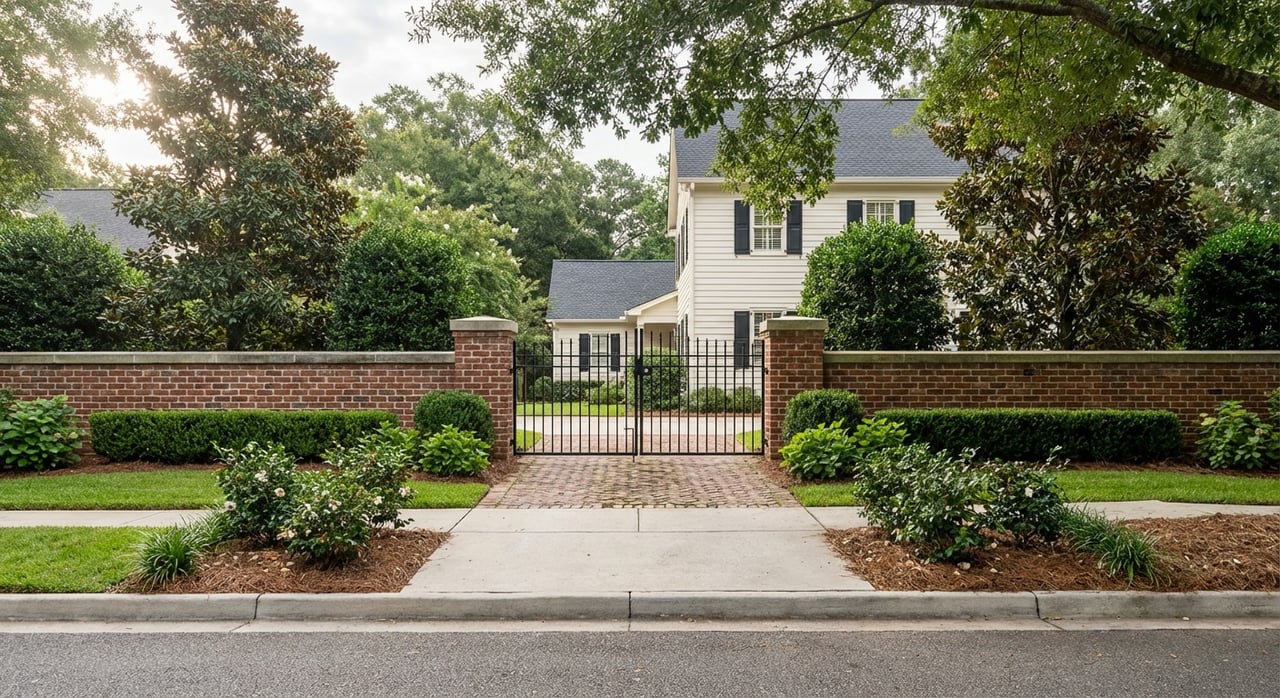
Alpharetta Schools and Commutes: Weighing Neighborhoods
February 19, 2026
February 19, 2026
Juggling school zones, commute time, and the right neighborhood feel in Alpharetta can feel like a three-way tug of war. You want strong school options, a drive that does not drain your day, and a home that fits your lifestyle and budget. In this guide, you will see how families in Alpharetta weigh those tradeoffs with clear, local context. You will learn how school boundaries work, what commute times really look like, and which neighborhood types tend to fit different priorities. Let’s dive in.
Alpharetta sits within Fulton County Schools’ North Fulton clusters, where boundaries can cross neighborhoods and even split subdivisions. The only reliable way to confirm a school for a given home is to use the district’s official attendance-zone lookup. Many addresses in and around Alpharetta connect to Alpharetta High School, Milton High School, or Cambridge High School, with well-known elementary and middle feeders such as Lake Windward, Creek View, and Webb Bridge. Because boundaries and feeder paths can shift, always verify at the address level during your home search.
State-level recognition can be a useful first screen. The Governor’s Office of Student Achievement lists several Alpharetta-area schools among statewide awardees in recent cycles; you can review the latest GOSA awards as a high-level indicator. Many families also scan third-party sites like GreatSchools for quick comparisons. Use these together with each school’s recent CCRPI data and trends to get a fuller picture.
If you are open to alternatives outside strict attendance boundaries, North Fulton offers charter and private options. A commonly cited choice is Fulton Science Academy, a private K–12 STEM-focused school in Alpharetta. If you plan to apply, confirm grade-level capacity, admissions timelines, and transportation logistics well in advance.
GA-400 is the main southbound corridor from Alpharetta to Buckhead, Midtown, and Downtown. Off-peak drives can run about 25 to 35 minutes to central Atlanta locations, while peak periods commonly stretch to 45 to 70 minutes or more. Local guides outline these windows; see this practical overview of how far Alpharetta is from Atlanta for context on drive-time ranges.
For a broad benchmark, the U.S. Census reports Alpharetta’s mean travel time to work in the high-20-minute range. Recent QuickFacts show a citywide average of roughly 26 minutes, which mixes all modes and directions and does not reflect door-to-door rush-hour trips into the urban core. You can view the latest city stat on Census QuickFacts.
There is no MARTA heavy-rail stop inside Alpharetta. The nearest rail terminal is North Springs in Sandy Springs, which most residents drive to, often using park-and-ride options or employer shuttles. For background on the system’s coverage and modes, see the MARTA overview on Wikipedia.
Traffic on GA-400 is highly directional: heavier southbound in the morning and northbound in the evening. That pattern is well documented in SR-400 corridor studies and informs the on-the-ground experience for commuters. If you will drive to Atlanta’s core most days, prioritize neighborhoods with quick access to GA-400 exits. To understand corridor dynamics, you can consult the archived SR-400 study summary hosted by the state’s digital library here.
These walkable cores offer restaurants, shops, townhomes, condos, and select single-family homes near daily conveniences. You will likely pay a higher price per square foot and trade larger yards for location and lifestyle. Many parents choose these pockets to simplify after-school activities and local errands, then accept a longer freeway commute when needed.
Neighborhoods such as Windward and other club or HOA communities tend to offer larger lots, pools, tennis, and golf, with mature landscaping and a strong sense of stability. Prices here sit toward the top of Alpharetta’s range, and many areas feed into high-performing public schools. The tradeoff is distance from some commercial nodes and potentially longer drives to GA-400 access points.
Older subdivisions and value pockets can offer lower entry prices than newer master-planned areas, often with bigger yards or renovated mid-century homes. These areas appeal to families who want space and are open to updating. School assignments vary by block, so verify attendance zones before you fall in love with a house.
Northern pockets near Crabapple and the Milton line offer a semi-rural feel with larger lots and, in some cases, equestrian features. Some addresses will sit within Milton or feed different clusters than central Alpharetta, so confirm city limits and assigned schools. The tradeoff is more drive time to southbound employers in exchange for privacy and space.
Lock your non-negotiables. Decide which school levels matter most right now. If a specific elementary or high school is essential, search only inside its attendance boundary and verify every address with the district’s zone tool.
Map your weekdays. Pin your primary work hubs and after-school activities, then test-drive key routes at rush hour or simulate with a maps app. Remember that GA-400 has strong directional peaks, as reflected in the SR-400 corridor study notes hosted here.
Align budget to neighborhood types. Translate your budget into likely fits across walkable cores, master-planned communities, and established subdivisions. Research shows that school quality often carries a price premium in housing; the size of that premium varies by market and supply, but the effect is well documented in academic work such as this Journal of Urban Economics study. Use same-zone comps to gauge your specific target.
Confirm the logistics. Check aftercare and bus options, HOA rules, commute parking, and program capacity for any private or charter school you are considering. If you plan to use MARTA rail, factor in the daily drive to North Springs and parking availability.
If you want a clear plan for school zones, commute tradeoffs, and neighborhood fits that match your budget, you do not have to figure it out alone. With white-glove, data-informed guidance, you can move forward with confidence and a realistic timeline. When you are ready, connect with Taylor Thompson for a local strategy session and neighborhood shortlist.
Stay up to date on the latest real estate trends.




Finding the right real estate agent can make all the difference, and I’m dedicated to providing the warm, professional, and informative service you deserve. Let’s connect and discuss your goals.