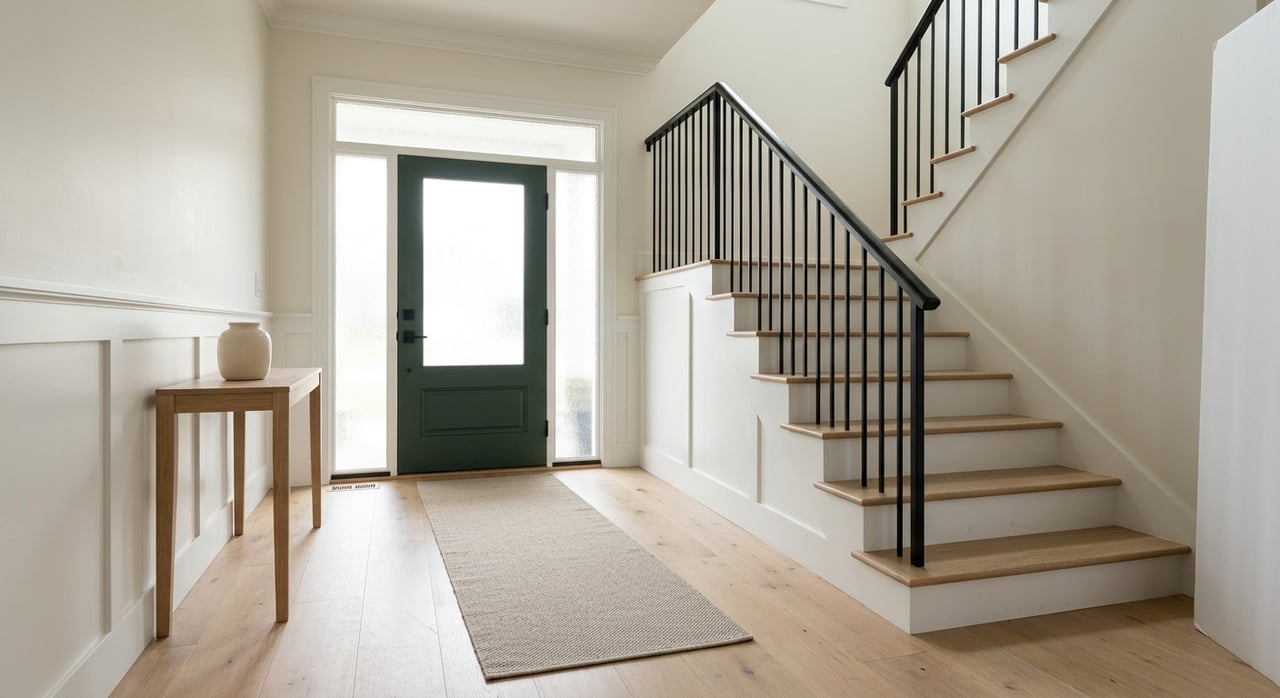
Alpharetta New Construction Homes or Established Neighborhoods
May 28, 2026
May 28, 2026
If you are deciding between a brand-new home and an established neighborhood in Alpharetta, you are not alone. Many buyers love the idea of fresh finishes and low-maintenance living, but they also want to make a smart long-term choice for their lifestyle and budget. The good news is that Alpharetta offers both, and each option comes with real advantages depending on what matters most to you. Let’s dive in.
Alpharetta is a higher-price market with strong demand, and the details matter. Recent market data shows a median sale price around $724,000, a median listing price around $769,500, and homes spending about 43 days on market, with a sale-to-list ratio near 99%.
What makes Alpharetta especially interesting is that most of its housing stock is not brand new. About 58% of structures were built before 1980, 33% were built from 1980 to 1999, and only 9% were built since 2000. That means established neighborhoods still make up a major share of your options, while newer homes tend to be concentrated in a few key pockets.
In Alpharetta, new construction is often clustered near downtown, Avalon, the Alpha Loop, and other more walkable corridors. City planning has emphasized downtown redevelopment, pedestrian connections, bicycle connections, and the North Point activity center, which helps explain why newer communities are not spread evenly across the city.
This pattern matters when you start comparing homes. If you want a newer property in Alpharetta, you may find yourself choosing not just a home, but also a more specific lifestyle tied to location, convenience, and community design.
Current examples show how much of Alpharetta’s new construction is built around access and amenities. Atley includes townhomes and condo flats near downtown Alpharetta with Alpha Loop access, community gardens, a dog park, and a pool and cabana.
Other communities like The Gathering and Emberly also highlight proximity to downtown and Avalon, with pricing that ranges from the low $600,000s for some townhomes to over $1 million for larger and more luxury-oriented homes. These examples suggest that many of Alpharetta’s new builds are designed for buyers who value modern layouts, newer systems, and easy access to dining, shopping, and local activity centers.
Because so much of Alpharetta’s housing was built before 2000, established neighborhoods remain one of the best ways to get variety. In practical terms, that can mean different lot sizes, different amenity packages, more mature landscaping, and a wider range of price points.
Examples from existing listings and neighborhood data show just how varied these areas can be. One Summerfield listing reflected a 1980 build year, a 0.63-acre lot, and no HOA, while a home in Spence’s Field highlighted features like a community pool, lighted tennis courts, and a cul-de-sac setting near downtown.
Neighborhood-level pricing also shows how broad the range can be. Reported neighborhood medians include about $489,450 in Rivermont, around $669,450 in Ocee, roughly $1.0875 million in Windward, and around $2.199 million in Country Club of the South. In other words, an established neighborhood in Alpharetta is not one thing. It can mean very different budgets, lot setups, and ownership experiences depending on the subdivision.
When you compare these two paths, it helps to look beyond the model home feel or the charm of mature streetscapes. The better choice is usually the one that fits your intended hold period, your comfort with HOA structure, and how you want to balance convenience with lot utility.
| Factor | New Construction in Alpharetta | Established Neighborhoods in Alpharetta |
|---|---|---|
| Typical location pattern | Often near downtown, Avalon, Alpha Loop, and planned activity areas | Found throughout the city in a wider range of settings |
| Home style | Frequently townhomes, condo flats, and newer single-family designs | Broad mix of older single-family homes and subdivision styles |
| Lifestyle appeal | Often geared toward lower-maintenance living and walkability | Often offers more lot variety and mature surroundings |
| Lot characteristics | Can vary, but often tied to newer zoning and community design | May include larger lots or different yard utility depending on subdivision |
| HOA structure | Common in many new communities | Varies widely, from no HOA to amenity-rich neighborhoods |
| Price spread | Often starts high depending on location and product type | Very neighborhood-specific, from moderate to luxury price points |
One of the biggest mistakes buyers make is comparing homes by list price alone. A new construction townhome with HOA dues and an established home with no HOA may look similar on paper at first, but your monthly ownership cost can be very different.
A smart comparison includes your mortgage, taxes, insurance, and any HOA dues. HOA costs should be reviewed as part of the full monthly payment, not as an afterthought, especially when you are comparing low-maintenance communities with more traditional subdivisions.
The City of Alpharetta works closely with HOAs and neighborhood organizations, and Georgia’s Property Owners’ Association Act requires owners to comply with lawful association provisions and reasonable rules. That means HOA documents are not just fine print. They can directly affect parking, rentals, property use, and future costs.
If you are choosing between new construction and an established neighborhood, ask to review the HOA declaration, bylaws, rules, budget, reserves, rental restrictions, parking rules, and any pending or potential special assessments. This can give you a much clearer picture of what ownership will feel like after closing.
If yard space matters to you, do not rely on assumptions. Alpharetta’s Unified Development Code uses district-specific lot standards, and lot size is tied to zoning and density calculations. Even street frontage requirements can vary, with detached residential lots requiring at least 40 feet of street frontage in applicable standards.
In real life, that means two homes with similar interior square footage may offer very different outdoor functionality. One may give you a compact, low-maintenance setup close to downtown, while another may offer more flexibility for outdoor living, storage, or simply more breathing room between homes.
Lot utility is not just about size. You should also ask about setbacks, easements, frontage, drainage conditions, and any future phases or adjacent uses, especially in newer communities where additional construction may still be planned.
For established homes, it is also wise to ask whether the property has had flood, drainage, or other disaster-related issues and what insurance implications may come with that history. These details can affect both enjoyment and long-term cost.
For many buyers, school assignment is part of the decision-making process, but it is important to verify it correctly. Fulton County Schools uses address-based attendance zones and provides an interactive zone map, so assignments should be confirmed at the exact property address.
This is especially important when comparing homes in different parts of Alpharetta or near boundary areas. A neighborhood reputation or nearby location does not replace address-level verification.
Whether you lean toward a new build or an older subdivision, a few questions can help you make a stronger decision:
If you want a more lock-and-leave lifestyle, modern finishes, and a location close to Alpharetta’s most active walkable districts, new construction may be the better fit. If you want more lot flexibility, a wider mix of price points, or the character that comes with established subdivision patterns, resale neighborhoods may offer more opportunity.
In Alpharetta, this choice is rarely just about age of home. It is about how you want to live, how long you plan to stay, and how the full ownership package fits your goals. With a neighborhood-specific market like this one, the best next step is often a side-by-side comparison of a few carefully chosen options rather than a broad search.
If you want help comparing new construction against established neighborhoods in Alpharetta, Taylor Thompson can help you weigh the numbers, lifestyle tradeoffs, and neighborhood details with a white-glove, local approach.
Stay up to date on the latest real estate trends.

Finding the right real estate agent can make all the difference, and I’m dedicated to providing the warm, professional, and informative service you deserve. Let’s connect and discuss your goals.