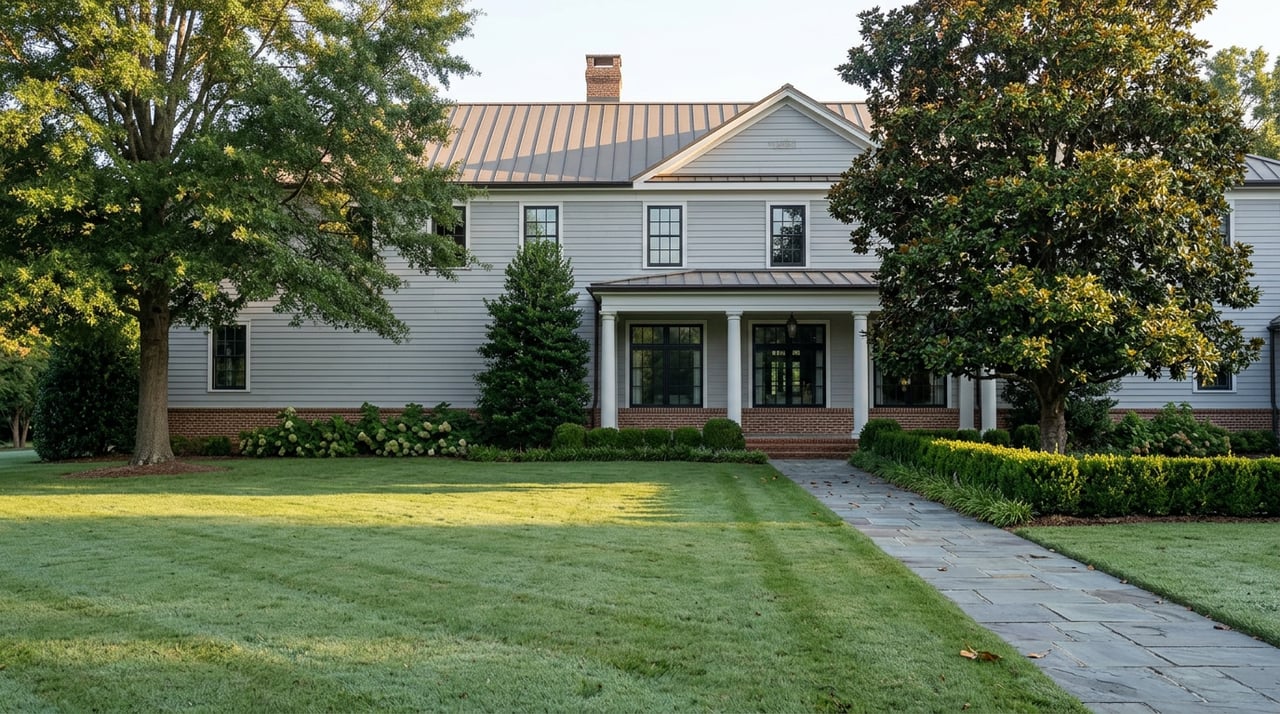
Milton GA Septic and Well Home Sale Closing Guide
September 3, 2026
September 3, 2026
Picture two contracts moving through Milton this fall. Same price range, same two and a half acre lot, same 30 day close written into the purchase agreement. One closes on schedule. The other slips two weeks past the closing date, not because financing fell through, not because the appraisal came in low, but because a report from the Fulton County Board of Health is still sitting in a queue. The house passed every visual inspection. The septic system just did not have the paperwork a lender needed, and nobody built that lag into the calendar.
That gap between what a Milton contract assumes and what a Milton property actually requires is where most closing surprises in this market come from. It is rarely the house. It is what sits underneath the yard.
Milton does not provide water or sewer service to its residents at all. The city says so directly on its own utilities page: homeowners get water and wastewater service either privately, through wells and septic systems, or through Fulton County Water Services, depending on where the lot sits. There is no municipal sewer line running under most of the city's signature acreage.
That absence is baked into the character of neighborhoods buyers already know by name. Crabapple, Birmingham, Deerfield, the Hopewell Road corridor, Bethany Bend, and Freemanville Road all carry the multi acre lots and horse properties Milton is known for, and public sewer simply does not reach most of them. A buyer touring a 2.5 acre gated estate tends to read the acreage as pure amenity: privacy, room for a barn, distance from the neighbors. It is also the reason the property sits outside a subdivision's utility footprint in the first place. The septic system is not an optional line item on the inspection report. It is the plumbing.
Georgia has no state or county law requiring a septic inspection at the point of sale. On paper, a seller could hand over the keys with a system nobody has looked at in twenty years and nothing in state code would stop them.
In practice, that almost never happens, because FHA, VA, and most conventional lenders will not approve a mortgage without proof the system is functioning. Since most Milton buyers are financing purchases well north of a million dollars, the inspection that Georgia law treats as optional becomes mandatory the moment a loan officer gets involved. The disconnect between what the state requires and what the lender requires is exactly where timeline assumptions fall apart, because buyers and sellers often plan around the legal minimum instead of the practical one.
Here is what that timeline actually looks like once an offer is accepted:
| Step | What it covers | Typical timeframe |
|---|---|---|
| Seller disclosure | System type, age, known issues | Provided at or before contract |
| On-site inspection | Tank walls, baffles, drain field, effluent filter | 2 to 4 hours |
| County Performance Evaluation Report (Form 14.L) | Formal written report from the county Board of Health | 1 to 3 weeks after inspection |
| Repair permit, if needed | Required before any modification or replacement | Additional weeks, subject to scheduling |
The inspection and county report together typically run $400 to $600, separate from any pumping or repair work. That figure looks modest next to the number that actually moves a negotiation: a failed system can cost $10,000 to $30,000 to replace, and that money comes off the purchase price or out of the seller's proceeds. A due diligence period written for a typical suburban home rarely accounts for a three week wait on a government report, which is precisely the kind of gap that turns a routine closing into a renegotiation.
Georgia's septic code, last revised effective January 2016, requires two-compartment tanks with an effluent filter for any system installed after February 20, 2000. Single-compartment tanks are still allowed, but only as replacements for existing single-compartment systems. A repair does not automatically upgrade an older tank to the newer standard.
A meaningful share of Milton's largest estates, particularly along Hopewell Road, Freemanville Road, and the older sections of Birmingham, predate that 2000 cutoff. That is not automatically a problem. It does mean an inspector is checking a different set of boxes than they would on a system installed last year, and it means a buyer's repair estimate should not assume a modern configuration just because the seller has pumped the tank regularly. The age of the system changes what "functioning" actually looks like on paper.
A common move before listing an upper end Milton property is adding a pool to lift the sale price. The city's own pool permit page states plainly that if the lot has septic or a well, Fulton County Environmental Health approval is required as part of the permit application, alongside separate approval from the county's Water and Sewer Department or proof of an existing backflow preventer.
A seller planning that renovation on a tight pre-listing timeline is routing their permit through the same county office that will later issue the Performance Evaluation Report for the eventual sale. Two separate projects, same bottleneck, and sellers who don't plan for that overlap often find the pool finished well before the paperwork clears.
As of August 2026, Milton homes were listed at a median price around $1.73 million, with the typical listing spending about 50 days on the market and price per square foot down roughly 3 percent compared to a year earlier. Milton's homes also run well above the typical size for the county, and a larger house on a larger lot generally means a larger tank and a more complex drain field, not just a bigger price tag.
In a market where price per square foot is easing slightly, the listings that move without friction tend to be the ones where the seller already has pumping records and a recent county evaluation in hand. That paperwork does more than satisfy a lender. It removes the one piece of due diligence a buyer genuinely cannot check by walking through the house.
If you're selling: Order the county's Performance Evaluation Report before you list, not after you're under contract. A report already in hand keeps the buyer's lender timeline from stacking on top of your own, and it signals to buyers that the one thing they can't inspect visually has already been handled.
If you're buying: Ask when the tank was installed before you ask what elementary school the property is zoned for. A pre-2000 tank is not a dealbreaker, it just means a different inspection standard applies. And build the county's one to three week report turnaround into your due diligence period in writing, rather than assuming your standard contract timeline already covers it.
Does Georgia require a septic inspection before closing? No. There is no state or county mandate. Most financed purchases end up with one anyway, because lenders require proof the system works before they will approve the loan.
What if the seller doesn't have pumping records? It is not disqualifying, but it usually means a longer due diligence period. The lender will still want the county's Performance Evaluation Report, and without prior records the inspector is starting from scratch rather than confirming a known history.
Does adding a pool to a Milton estate require anything beyond a standard building permit? Yes, if the lot runs on well or septic. The city requires Fulton County Environmental Health approval as part of that permit application, in addition to standard water and sewer sign off.
Milton's acreage is the whole appeal for a lot of buyers, and the systems underneath it are part of what makes that acreage possible in the first place. Whether you're preparing to list a Freemanville Road estate or writing an offer on a Crabapple property with a barn, the septic and well question deserves the same attention as the roof or the HVAC, and it deserves it earlier in the process than most contracts assume.
If you're weighing a purchase or a sale on one of Milton's estate lots and want a clear read on what the timeline actually looks like, HomesByTaylorRE is a good place to start. Schedule a consultation and we'll walk through what your specific property needs before it ever hits the market.
Stay up to date on the latest real estate trends.




Finding the right real estate agent can make all the difference, and I’m dedicated to providing the warm, professional, and informative service you deserve. Let’s connect and discuss your goals.